I Used to Think More Than I Did
I used to spend far more time thinking about my life than actually changing it. Every new idea turned into another plan, and every plan became another reason to wait. I convinced myself that I needed the perfect timing, the right mindset, or a better strategy before I could finally get started.
I had a clear picture of the person I wanted to become. I wanted to be more disciplined, more confident, more creative, and more active. The problem was that I spent so much time preparing for that future version of myself that I rarely took any real action in the present.
Looking back, I can see that all that thinking wasn’t helping me move forward. It only made everything feel bigger and more complicated than it really was. The more I analysed what I should do, the more stuck I became, and the harder it felt to take even the smallest first step.
Willpower Was Not the Solution
For a long time, I thought becoming a better version of myself meant copying what everyone else was doing. I filled my days with new routines and convinced myself I needed to be more productive, more disciplined, and more organised.
Sometimes it worked for a while, but it never lasted. After a few days, or maybe a week, I would slip back into old habits and feel like I had failed all over again.
Looking back, I realised the problem wasn’t always a lack of discipline. Many of the goals I was chasing weren’t things I truly wanted. They were simply ideas of who I thought I was supposed to become.
Even when I reached those goals, they rarely felt rewarding. Instead of feeling happier or more fulfilled, it often felt like I was just ticking another box. Over time, that became exhausting and left me feeling more drained than motivated.
The Guitar Lesson
A simple example for me was learning to play the guitar. I genuinely enjoyed playing, and I knew it was something that made me feel calm and helped me switch off. It wasn’t something I forced myself to do because other people recommended it. It was a hobby I actually wanted to spend time on, which made it even more frustrating when I couldn’t stick with it.
Every time I decided to start again, I made the same mistake. Instead of playing for ten or fifteen minutes, I would sit down for well over an hour because I wanted to make as much progress as possible. I would do the same the next day and sometimes keep it up for a few more days, convinced that this time the habit would finally stick.
But it never lasted. After a few days, I would skip one session, then another, and before I realised it, weeks or even months had gone by without touching the guitar. When I eventually picked it up again, I repeated exactly the same cycle, expecting a different result each time.
Looking back, I realised the problem was never that I didn’t enjoy playing the guitar. The real problem was that I always made the first step too big. Instead of building a habit that felt easy to repeat, I turned it into something that required a huge amount of motivation every single time.
Five Minutes Changed More Than One Hour
So I decided to try a different approach. Instead of setting high expectations, I made one simple rule: every morning, I would pick up the guitar and play for just five minutes. That was all I asked of myself, with no pressure to improve or hit a certain goal.
The most important part was stopping after those five minutes. I wanted the habit to feel easy, not like another task on my to-do list. By keeping it small, I removed the excuses that usually stopped me from getting started in the first place.
The next morning, I did the same thing again. Then I repeated it the day after that, and before long, playing the guitar had become part of my daily routine. I wasn’t relying on motivation or trying to force myself through long practice sessions. I was simply showing up every day.
After a couple of weeks, something interesting happened. I stopped watching the clock and found myself playing for longer without even thinking about it. What had started as a five-minute habit had naturally grown into something I genuinely looked forward to.
Looking back, I realised the change didn’t come from having more discipline or stronger willpower. It came from making the first step so small that it felt almost impossible to skip. Once I got started, continuing felt natural, and that’s how the habit finally stuck.
Why Small Actions Work Better Than Big Plans
I think we often underestimate how much difference a small action can make. It’s easy to focus on big goals and imagine a complete transformation, whether that’s starting a new routine, following the perfect training plan, or completely changing your lifestyle. Those ideas are exciting, but they can also feel so overwhelming that we never get started.
Small actions work differently. They don’t look impressive, and they don’t give you instant results, which is why many people overlook them. But because they feel easy to start, you’re much more likely to repeat them. Over time, those small steps begin to build real momentum.
It can be something as simple as playing the guitar for five minutes, going for a short walk, writing a single page, or sending a message you’ve been putting off. None of those actions will change your life overnight, but they all have one thing in common: they get you moving instead of keeping you stuck.
Every small action is a reminder that you’re capable of following through. Instead of spending more time planning or searching for the perfect routine, you start building confidence through action. And in my experience, that’s often what people need most—not another plan, but proof that they can trust themselves to take the first step.
The Countdown Trick
One technique that has helped me more than I expected is something incredibly simple: counting down before taking action. Whenever I noticed myself overthinking, I would count from five to one and then immediately start. The goal wasn’t to feel ready or motivated. It was simply to stop thinking and begin.
At first, it almost felt too simple to make a difference. But I quickly realised that overthinking only gets stronger the longer you wait. Your mind starts coming up with excuses, convincing you that you’re too tired, that you need a better plan, or that tomorrow would be a better time to start.
Before you know it, a task that would have taken just a few minutes begins to feel much bigger than it really is. The action itself hasn’t changed, but your mind has turned it into something that feels difficult to overcome.
Counting down interrupts that cycle. Instead of giving yourself more time to think, you give yourself a clear signal to move. Whether it’s standing up, opening your laptop, sending a message, or finally booking that trip, the hardest part is often taking the very first step. Once you’ve done that, continuing usually becomes much easier.
Action Builds Trust With Yourself
One of the biggest changes I noticed had nothing to do with productivity or discipline. It was the way I started seeing myself. Every time I told myself I was going to do something and then didn’t follow through, I lost a little bit of trust in my own word. It wasn’t something I noticed straight away, but over time it became harder to believe I would actually do the things I planned.
That quiet doubt has a bigger impact than most people realise. New ideas no longer feel exciting because part of you already expects them to fail. Instead of looking forward to the challenge, you begin questioning whether you’ll stick with it this time.
The good news is that the opposite works just as well. Every small promise you keep to yourself helps rebuild that trust. Whether it’s playing the guitar for five minutes, going for a short run, or finally booking the trip you’ve been talking about for months, each action reminds you that you can rely on yourself.
Over time, those small moments start to change how you see yourself. It’s not because you spent more time thinking or trying to become a different person. It’s because your actions gave you real evidence that you could follow through, and that confidence grows one step at a time.
How This Led Me to My First Surf Camp
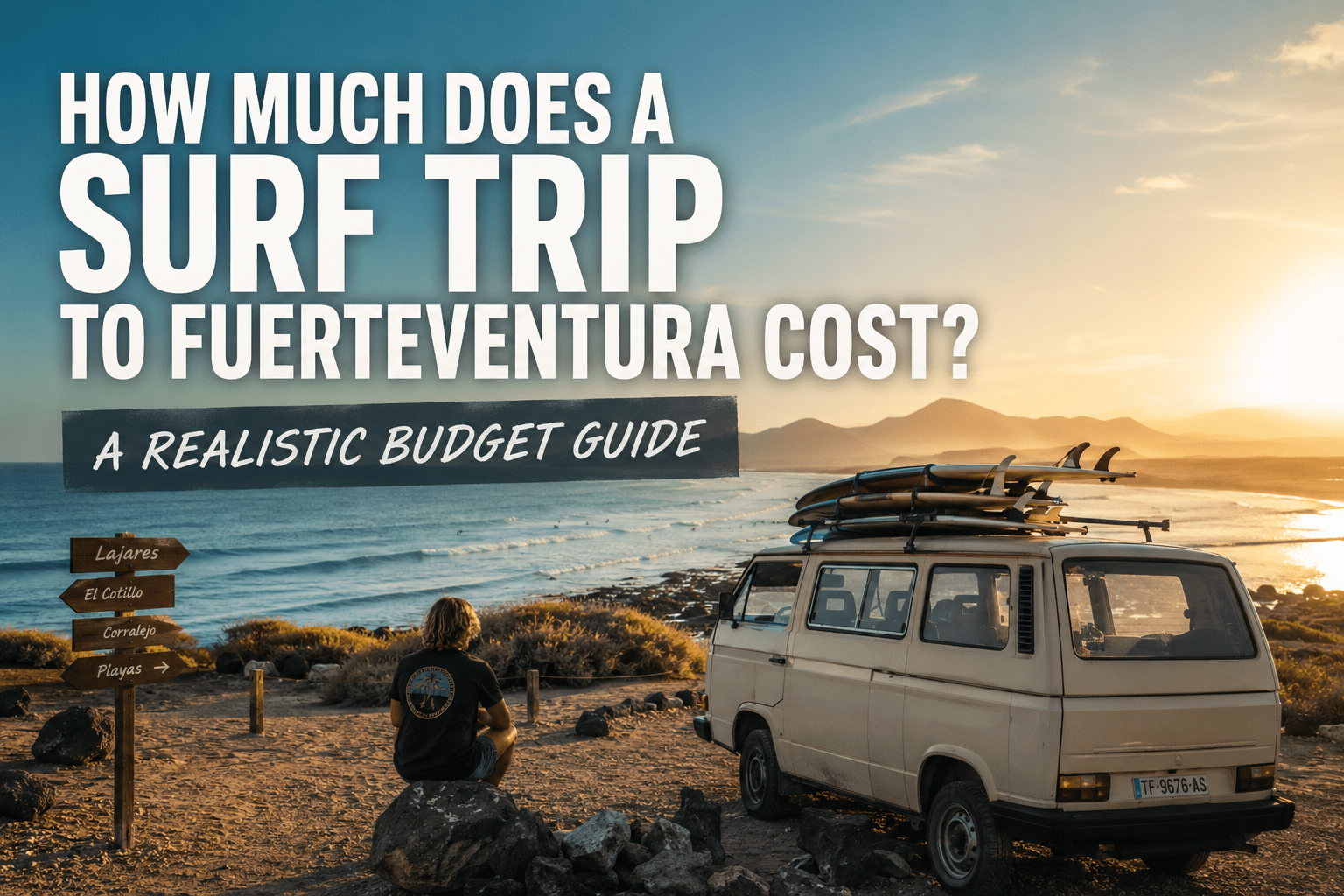
This mindset is also what eventually led me to book my first surf camp. It had been on my mind for a long time because I wanted a change of scenery and a break from my usual routine. I wanted to meet new people, spend more time being active, and do something that genuinely excited me. Surfing seemed like the perfect way to combine all of those things.
For weeks, I kept thinking about whether it was the right decision. I considered the cost, wondered if I would enjoy it, and questioned whether I should wait for a better moment. Then I realised I could keep going around in circles, or I could simply make a decision and see where it led.
So I booked the surf camp, booked my flight, and committed to the trip. As soon as everything was confirmed, all the overthinking disappeared. There was nothing left to debate because the decision had already been made. All I had to do was look forward to the experience.
Looking back, that first surf camp turned out to be one of the best decisions I’ve ever made. It wasn’t because everything went perfectly, but because it reminded me that you don’t have to feel completely ready before taking a chance. Sometimes the biggest changes begin the moment you stop waiting and simply decide to start.
Why a Surf Camp in Fuerteventura Can Be a Powerful First Step
I think that’s one of the reasons why a surf camp in Fuerteventura can have such a big impact. You don’t have to completely change your life or figure everything out before you go. Instead, you make one simple decision to step away from your normal routine and spend a week doing something different.
Once you’ve booked the trip, the hardest part is already behind you. You arrive, meet new people, get in the water, share meals, and spend your days surfing and exploring the island together. As the week goes on, conversations become easier, friendships start to grow, and you naturally become more comfortable trying new things.
One of the best parts of staying at a surf camp is that so much is already organised for you. Surf lessons, activities, meals, and a welcoming community are all part of the experience, so you don’t have to worry about planning every detail yourself. That gives you the freedom to focus on being present, enjoying the moment, and getting the most out of your time on the island.
Sometimes, taking the first step is all it takes. Simply showing up in a new environment can open the door to experiences, friendships, and opportunities that would never have happened if you had stayed home thinking about them.
Movement Creates Momentum
I don’t think everyone needs to book a surf camp to make a positive change in their life. Everyone’s journey looks different, and what works for one person might not be the right step for someone else. The important thing is finding something that gets you out of your routine and encourages you to take action.
For some people, that might be booking a surf camp in Fuerteventura and spending a week in a completely new environment. For others, it could be signing up for a class, applying for a job, going for a run, sending a message they’ve been putting off, or finally making time for a hobby they enjoy.
The action itself doesn’t have to be life-changing on its own. What matters is that it’s real and that it moves you forward, even if it’s only a small step. Once you stop thinking and start doing, the idea is no longer something that only exists in your mind.
Looking back, I’ve realised that’s where real change begins. Small actions have a way of creating new opportunities, building confidence, and leading you to places you never expected. The hardest part is often taking that first step, but once you do, the next one becomes a little easier.
You Don’t Need to Become a Different Person Today
Looking back, I think this was the biggest mistake I made for years. I believed that changing my life meant becoming a completely different person overnight. If I couldn’t transform everything at once, I felt like I wasn’t making progress at all.
Over time, I realised that real change rarely happens like that. It usually starts with one small decision, followed by another, and then another. You don’t need to have your whole life figured out before you begin. You just need to take the next step, even if it feels insignificant at the time.
The same goes for discipline and motivation. You don’t have to promise yourself you’ll stay consistent forever. You only have to focus on what you can do today, whether that’s five minutes of practice, a short walk, or finally doing something you’ve been putting off.
When you keep repeating those small actions, they begin to add up. One day you look back and realise you’ve changed, not because of one life-changing decision, but because you slowly became someone who takes action instead of waiting. And sometimes, that’s the biggest transformation of all.