
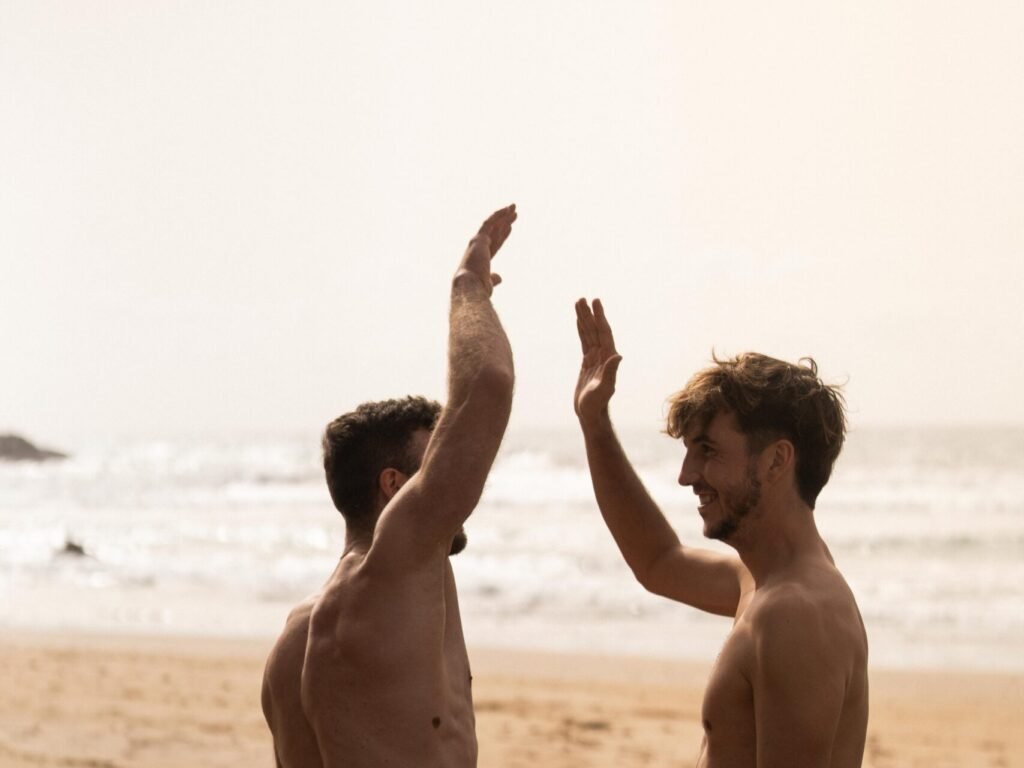
Nobody Warns You About the Friendship Admin
Making friends as an adult feels very different from when you’re younger. Back then, friendships often happened without much effort. You sat next to someone in class, played the same sports, or lived on the same street, and before you knew it, you were spending most of your free time together. It all felt natural because you shared the same routines every day.
As we get older, life becomes more complicated. Work, relationships, family, and everyday responsibilities all compete for our attention. Even when you meet someone you genuinely get along with, finding time to see each other again can be surprisingly difficult. A simple coffee often turns into weeks of checking calendars before it finally happens.
I don’t think it’s because adults stop wanting friendships. If anything, many people value meaningful connections even more than they did when they were younger. The difference is that life no longer creates those opportunities for us in the same effortless way. People move to different cities, change jobs, start families, or become busy with new priorities, and before long, it’s easy to realise you haven’t made a close new friend in quite some time.
Looking back, I think that’s something many people experience, even if they rarely talk about it. Feeling like it’s harder to meet new people isn’t unusual. It’s simply one of those parts of adult life that almost everyone goes through at some point.
Why Adult Friendships Feel Harder
One of the reasons making friends as an adult feels more difficult is that we no longer share the same routines with the same people every day. At school, university, or in our first jobs, friendships often developed naturally because we spent so much time together. Without really trying, familiar faces slowly became close friends.
As adults, those shared environments become much less common. You can meet someone you genuinely enjoy talking to, have a great conversation, and then both return to your own busy lives. Days turn into weeks, and before you know it, the moment has passed. It’s rarely because people don’t want new friendships. More often, life simply gets in the way.
I also think many of us overcomplicate the first step. We tell ourselves we’ll reach out another day or wait for the right moment, even though the other person might be thinking exactly the same thing. Sometimes all it takes is a simple message or making plans for a coffee, but it’s surprisingly easy to convince ourselves that we’ll do it later.
Looking back, I realised that adult friendships don’t usually happen by accident anymore. They often grow because someone decides to take that first step. It can feel a little uncomfortable at first, but most meaningful friendships begin with one person being willing to start the conversation.
The Fear of Being Too Much
I think one of the reasons making friends becomes harder as we get older is that we become more careful. As children, we rarely overthought it. If we wanted to play with someone, we simply asked. Friendships often started with a short conversation and then grew naturally because we spent time together.
As adults, things tend to feel more complicated. We worry about saying the wrong thing, interrupting someone’s busy schedule, or coming across as too eager. Instead of reaching out, we often wait for the perfect moment, even though it rarely arrives. Looking back, I think many opportunities for friendship are missed simply because both people are waiting for the other to make the first move.
In her book Platonic, Marisa G. Franco writes that “people still like us more than we think.” I like that idea because it reminds us that the stories we tell ourselves aren’t always true. We assume other people are too busy, already have enough friends, or aren’t interested in getting to know us, when in reality they may be thinking exactly the same thing.
The result is that we stay polite, but a little distant. We have good conversations, enjoy meeting new people, and then go our separate ways without taking the next step. It isn’t usually because the connection wasn’t there. More often, it’s because both people were waiting for a moment that never came.
Finding Your People Gets Faster With Age
One of the things I appreciate about getting older is that you begin to understand what you value in the people around you. It doesn’t mean you always get it right, but experience makes it easier to recognise the friendships that feel genuine and the relationships that leave you feeling comfortable being yourself.
Over time, you start paying less attention to how interesting someone seems at first and more attention to how you feel after spending time with them. You notice the people who ask questions, listen without interrupting, celebrate your successes, and make you feel welcome. Those qualities often matter much more than having the same hobbies or interests.
When we’re younger, friendships often grow because of proximity. We go to the same school, live in the same neighbourhood, or spend time in the same places every day. As adults, those shared routines become less common, which means the friendships we build are often based more on connection than convenience.
Looking back, I think that’s one of the positive sides of adulthood. Most people no longer feel the need to have a large circle of friends. Instead, they value a few meaningful relationships with people who make them feel supported, understood, and comfortable. Those friendships may take longer to find, but they often become much more rewarding because of it.
Your Best Friends Might Still Be Ahead of You
There can be a lot of pressure around friendships as we get older. Many people talk about childhood friends as if they’re the friendships that matter most. Sharing years of memories with someone is something special, and those relationships often last a lifetime.
At the same time, it’s easy to feel like you’ve somehow fallen behind if you don’t have that. Sometimes it can seem as though everyone should have found their closest friends by their twenties and that, after that, new friendships become much harder to build. I don’t think that’s true at all.
Life changes in ways we can’t always predict. People move to new countries, change careers, start over after a relationship ends, or simply discover new interests that introduce them to different people. Some of the strongest friendships are built much later in life because they’re based on shared values and experiences rather than simply growing up in the same place.
Looking back, I think friendships become more intentional as we get older. Instead of spending time together because life puts you in the same classroom or neighbourhood, you choose the people who make you feel comfortable, understood, and genuinely happy to be around. Those friendships may take longer to develop, but they often feel like a better fit because they’re built on who you are today, not just who you were years ago.
Being Yourself Is Still the Filter
“Be yourself” is one of those pieces of advice that sounds almost too simple to be useful. It’s repeated so often that it’s easy to ignore, but over the years, I’ve started to understand why people keep saying it.
When we spend too much energy trying to fit in or become the person we think others expect, it becomes difficult to build genuine friendships. People may like the version we’re presenting, but it doesn’t always leave much room for them to get to know who we really are. Keeping up that version of ourselves can also be surprisingly tiring.
Of course, being yourself doesn’t mean telling someone your entire life story the first time you meet them. Real friendships still take time to develop. It’s simply about being honest enough to let your personality show. Talk about the things you genuinely enjoy, laugh at what you find funny, and don’t feel like you have to pretend to like something just because everyone else does.
Looking back, I think that’s how the strongest friendships usually begin. Not because two people are trying to impress each other, but because they’re comfortable enough to be themselves from the start. You won’t connect with everyone you meet, and that’s completely normal. The goal isn’t to be liked by everyone. It’s to find the people you naturally enjoy spending time with, and who enjoy spending time with you too.
Making Genuine Connections Takes Repetition
A lot of people expect friendships to happen instantly. Sometimes they do. Every now and then you meet someone and the conversation flows so naturally that it feels as though you’ve known each other for years. Those moments are special, but they’re also quite rare.
Most friendships grow much more gradually. They develop through shared experiences, familiar routines, and small conversations that slowly build trust over time. One chat turns into another, then you find yourself going for a walk together, sharing a meal, or laughing about something that happened earlier in the day. Without really noticing, the connection becomes stronger.
Looking back, I think that’s why activities and shared experiences make it much easier to meet new people as an adult. Whether it’s joining a sports club, taking a language course, volunteering, travelling with a group, or spending a week at a surf camp, you naturally spend time with the same people over several days. There’s no pressure to become friends immediately because everyone is simply there to enjoy the experience.
That’s often how the best friendships begin. You’re focused on doing something together rather than trying to make friends, and the conversations happen naturally along the way. By the end of the week, it’s surprising how much a few shared experiences can bring people together, and many of those connections continue long after the trip has ended.
Don’t Confuse Slow With Wrong
One thing I’ve noticed about friendships as an adult is that they often take longer to grow. That doesn’t make them any less meaningful. In many ways, it makes sense. We’re no longer spending every day in the same classroom or sharing the same routine, so getting to know someone naturally takes more time.
Sometimes a friendship develops through small moments rather than one unforgettable conversation. You meet someone a few times, chat after an activity, share a meal, and gradually realise you enjoy their company more each time. There’s no big turning point. The connection simply grows little by little until one day it feels completely natural.
I think there’s something reassuring about that. Not every important friendship has to begin with an instant connection. Some of the people who become part of your life arrive quietly, and the relationship becomes stronger because it has had time to develop.
It’s also worth remembering that most adults are balancing busy lives. Work, family, travel, and everyday responsibilities all compete for our attention. A delayed reply or postponed plan doesn’t always mean someone isn’t interested in building a friendship. More often, it simply reflects the pace of adult life.
Looking back, I realised that meaningful friendships often require a little patience. Giving people the time and space to show up, while offering the same understanding to yourself, can make building genuine connections feel much more natural.
You Don’t Need to Become More Interesting
A lot of advice about making friends focuses on becoming more interesting. It suggests travelling more, collecting better stories, finding unusual hobbies, or always having something impressive to talk about. While those experiences can certainly enrich your life, I don’t think they’re what create meaningful friendships.
Looking back, the people I’ve felt most comfortable around were rarely the most impressive people in the room. They were the ones who made conversations feel easy, listened with genuine interest, remembered small details, and made it feel as though there was no pressure to be anyone other than yourself.
I think that’s where authentic friendships usually begin. Not because someone is trying to stand out, but because both people feel comfortable enough to be honest. When there’s no need to impress each other, conversations become more relaxed, trust develops naturally, and spending time together feels effortless.
In the end, I don’t think most people are searching for perfect friends. They’re looking for people they can laugh with, share experiences with, and simply feel at ease around. Often, that’s far more valuable than having the most exciting stories or the most interesting life on paper.
How to Make Friends in Adulthood Without Making It Weird
I don’t think there’s a simple formula for making friends as an adult. Every person and every situation is different, and what works for one person won’t necessarily work for someone else. Still, there are a few things that I’ve noticed seem to make a difference.
One of them is simply spending time in places where you naturally see the same people again and again. Whether it’s a sports club, a language class, volunteering, or a surf camp, shared experiences and repeated contact make conversations feel more natural. Instead of trying to build a friendship in a single meeting, you have time to get to know each other little by little.
I’ve also realised that it’s worth letting people know when you’ve enjoyed spending time with them. It doesn’t have to be anything complicated. Sometimes suggesting another coffee, another surf session, or another walk is enough. Friendships often grow because someone is willing to take that small first step instead of waiting for the perfect moment.
Looking back, I think the best conversations usually happen when people stop worrying about saying exactly the right thing. Asking genuine questions, listening with interest, and being willing to share a little about yourself is often enough to create a real connection. You don’t need to impress anyone or have an extraordinary story to tell.
In the end, building friendships usually comes down to showing up, staying open, and giving relationships time to grow. Not every conversation will turn into a lasting friendship, and that’s perfectly normal. But every now and then, one of those small moments becomes the beginning of a connection that lasts much longer than you expected.
Maybe Your People Are Still Coming
My First Solo Surf TripIf you feel like you haven’t found your people yet, I don’t think it necessarily means something is wrong. Sometimes it simply means you haven’t been in the right places, at the right time, with the right people. Life changes, and so do we. The friendships that suited us ten years ago aren’t always the ones that fit who we are today.
As adults, we continue to find new opportunities to meet people, even if they don’t appear as naturally as they did at school or university. It might happen through a new hobby, a move to another city, a group trip, volunteering, or a week at a surf camp. Shared experiences have a way of bringing people together, often when you least expect it.
Looking back, I think that’s one of the reassuring things about adulthood. We don’t stop meeting people just because we’re older. The process may take a little more time, but the connections we build often feel more meaningful because they’re based on who we are today rather than who we used to be.
The right friendships don’t always arrive when we expect them to, and they rarely happen overnight. But by staying open to new experiences and new conversations, we give those connections the chance to grow. Sometimes all it takes is being in the right place, sharing a few memorable moments, and giving a friendship the time it needs to develop.
A Small Kyuka Note
This is also one of the reasons I still believe so much in the surf camp life (btw the reason I stepped out of my comfort zone and made new friends after completing university).
A surf camp Fuerteventura trip puts many of the friendship ingredients in one place: shared meals, repeated contact, activities, small awkward beginnings, and enough time for people to stop being only polite. At Kyuka, we don’t try to force everyone into becoming best friends, but we do try to create the kind of space where making friends in a surf camp feels a lot more natural than standing alone at a random bar wondering what to do with your hands.